This post is more than 14 years old
Politics move quickly and opinions evolve. There's a good chance I no longer hold some of the opinions expressed in the post below
—Mustapha
Silencing Religious Figures is not the Answer
June 12, 2012 · Mustapha Hamoui
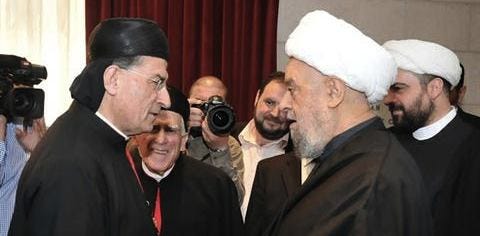
I’m not sure I agree with Hanin Ghaddar’s article today where she called for “silencing” religious figures:
If we could silence [religious figures], most of our problems would be solved, from political power-sharing to the electoral law. We could have a healthy civil society with a strong civil law, one that all religious institutions oppose.
I agree with Ghaddar’s sentiment that religious figures are spreading venom and deepening polarization in Lebanon. I personally think that they’re a vile bunch whose negative contribution to public life and culture outweighs their positive contribution to people’s spiritual lives. But I don’t believe that they should be “silenced”, for whatever that means.
Blaming religious leaders would be focusing on the symptom instead of the cause. Religious leaders are empowered by two forces:
- The Lebanese people who are asking to be represented by them because of the lack of secular authority. The real problem is not that religious leaders are talking. It’s that the Lebanese people is listening.
- Lebanese politicians who never challenge religious figures’ authority. Politicians politely stand by as religious leaders make public statements that are the clear prerogative of elected policy makers.
Don’t silence, undermine
How can we help reduce the influence of religious leaders? There’s no magic wand to wave, but politicians should be less deferential to individuals who are not elected and who are not accountable to the population when things go wrong. They should challenge them whenever they can (which has been happening but very slowly)
One way of challenging religious leaders is to deliberately steal their thunder. When religious leaders meet for political reasons, real politicians, activists and NGOs should try to compete with them, ignore them and make news to crowd them out of the news cycle. The media can also be very helpful by throwing religious summits to the end of news bulletins.
When religious leaders make egregious statements that are blatantly sectarian and hateful (think Jouzou or Ar’our) , mainstream politicians shouldn’t be polite and should criticize them publicly and shame them. The whole point is that when religious leaders get involved in the mudslinging of politics, they no longer deserve to be sacrosanct.