This post is more than 18 years old
Politics move quickly and opinions evolve. There's a good chance I no longer hold some of the opinions expressed in the post below
—Mustapha
So, What Can We Learn From What Happened?
May 10, 2008 · Mustapha Hamoui
Pundits are starting to analyze the meaning of what happened in Lebanon.
First, here’s my absolute favorite metaphor of the situation, courtesy of Hot Air:
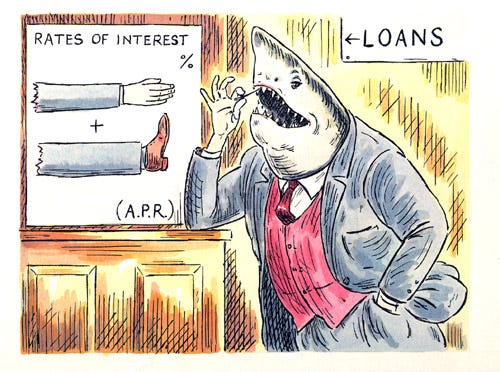
…The government [was] temporarily brought to its knees to remind it who’s boss. Think of it as a visit from mafia goons to some poor bastard who’s late in repaying his debt to a loan shark — they broke a couple of fingers this time to let him know they can break his neck if he doesn’t play ball.
So, what lessons can the West learn from what happened in Lebanon? Noah Pollak in Contentions suggests an answer:
What does the crisis in Lebanon teach us about Hezbollah? It teaches us the same lesson we learned from Hamas when it took Gaza: Islamic supremacist groups, despite their claims to the contrary, cannot be integrated into states or democratic political systems.
[…] The Hezbollah rampage in Lebanon that we are witnessing should make it obvious to any sentient observer that Hezbollah’s claims to democratic political legitimacy have always been intended only to manipulate the credulous. Participation in politics requires the willingness to persuade your foes, to compromise, to stand down when you don’t get your way. But there is no record of Hamas or Hezbollah ever observing such restrictions: the moment Hezbollah was confronted with political pressure, it responded not within the political sphere, but with warlordism — with an exhibition of violence intended to make clear not just that Hezbollah is the most powerful force in the country, but that challenging it will result in its enemies’ humiliation and dispossession. In the streets of Beirut, with Kalashnikovs and RPGs, Hezbollah is making it abundantly clear that its participation in Lebanese politics ends when Hezbollah is asked to submit to the state’s authority. How many more Middle East “experts” are going to proclaim that the answer to Islamic supremacism is dialogue and political integration?